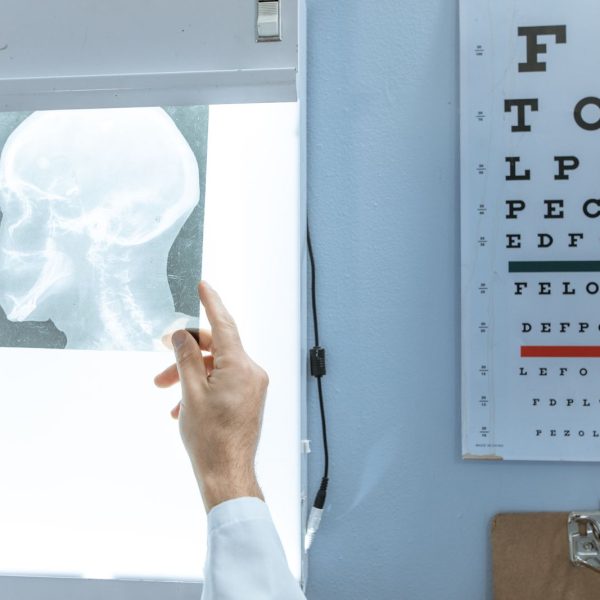
Every hospital runs on conversations. A nurse flags a change in blood pressure, a surgeon hands over a case, a pharmacist questions a dose. When those exchanges are clear, patients recover faster and staff feel supported. When they are rushed or vague, small gaps grow into real harm.
Why communication gaps cause harm
Most medical errors do not come from a lack of skill. They come from information that did not travel well from one person to the next. A missing allergy note, an unclear abbreviation or a verbal order that was misheard can change a treatment plan within minutes.
The key insight is simple: good care depends on shared understanding, not only on individual expertise.
Studies of hospital incidents repeatedly point to handoffs, shift changes and referrals as the moments where details slip. The more people involved in a case, the more places a message can break.
Structured handoffs that actually work
Many clinics now use structured tools such as SBAR, which stands for situation, background, assessment and recommendation. The format forces the speaker to cover the same four points every time, so the listener knows what to expect.
A good handoff has a few habits in common:
It happens face to face or on a recorded line whenever possible. It names the patient with two identifiers. It states what is pending, not only what is done. And it ends with the receiver repeating the key points back.
That last step, often called closed loop communication, takes ten seconds and catches a surprising number of mistakes before they reach the bedside.
Written records need the same care
Charts, discharge summaries and referral letters are conversations that last. A colleague may read them days or months later, with no chance to ask what the author meant. Plain wording, standard terminology and consistent units make the difference.
Abbreviations deserve special attention. The same two letters can mean different things in cardiology and in neurology. Teams that keep a shared list of approved abbreviations reduce confusion and save time during audits.
When the language barrier enters the room
Modern hospitals serve patients and employ staff from many countries. A physician may train in one language and write notes in another. A family may need discharge instructions in a language the ward does not speak. Each of these situations adds a layer of risk to an already complex exchange.
Informal fixes, such as asking a relative or a bilingual colleague to interpret, often backfire. Family members may soften bad news, and colleagues may lack medical vocabulary in the second language. Professional support is safer for everyone involved.
For written material, qualified medical translation services give hospitals, laboratories and research teams documents that keep the exact meaning of dosages, diagnoses and consent forms. A mistranslated line in a prescription is not a small typo, it is a clinical risk.
Some healthcare paperwork also has a legal dimension, since consent forms, advance directives, and court-related records must be exact in every language used. Specialist legal translation services handle those documents with the formal wording and certification that courts and institutions require. That care keeps patients' decisions valid and protects teams when a record is later reviewed.
Building a culture where people speak up
Tools only work in a team that feels safe using them. Junior staff need to know they can question a senior colleague without being dismissed. Senior staff need to show that questions are welcome by thanking people who raise them.
Short daily briefings help. Five minutes at the start of a shift, covering who is sick, what is planned and what could go wrong, set a shared picture and make later questions easier to ask.
Leaders can also review near misses without blame. When a team looks at what nearly went wrong and why, the lessons spread quickly and nobody feels singled out.
Technology can help or hinder
Electronic records, secure messaging and shared dashboards put information in front of the right person faster. They also create new problems, such as alert fatigue, copied notes that nobody checks and messages sent to the wrong channel.
Before adopting a new tool, ask who will use it at three in the morning, on a busy ward, with one hand free. If the answer is unclear, the tool needs more design work before it reaches patients.
Translation technology deserves the same scrutiny. Machine output can speed up a first pass, but clinical text should always be reviewed by a qualified human who understands the field. You can read more about the stakes in this guide on why accurate medical document translation matters.
Talking with patients and families
Communication between professionals is only half of the picture. Patients also need to understand what the team has decided, and why. Plain language, teach-back questions and written summaries help people take part in their own care.
Ask the patient to explain the plan in their own words. If they cannot, the explanation needs another try, in simpler terms or in another language. This habit, taught widely in patient safety programs, improves adherence to medication and follow-up visits.
Measuring whether it is working
What gets measured gets attention. Track handoff quality through short audits, collect staff feedback on clarity, and watch indicators such as readmissions and medication errors. Look at trends over months rather than single events.
Share results openly with the team. People are more willing to change habits when they see that better communication leads to fewer incidents and calmer shifts.
The World Health Organization describes communication failures as a leading contributor to avoidable harm, and its guidance on patient safety is a useful starting point for teams building a training plan.
Practical steps for your team this month
You do not need a large budget to improve. Start with three actions: adopt one structured handoff format, agree on a short list of approved abbreviations, and set a clear route for multilingual documents and interpreter requests.
Review the results after a month, adjust, and then add the next improvement. Small, steady changes build trust faster than a sweeping program that nobody has time to follow.
Clear words, shared formats and respect for every voice on the team are the foundation of safe care.