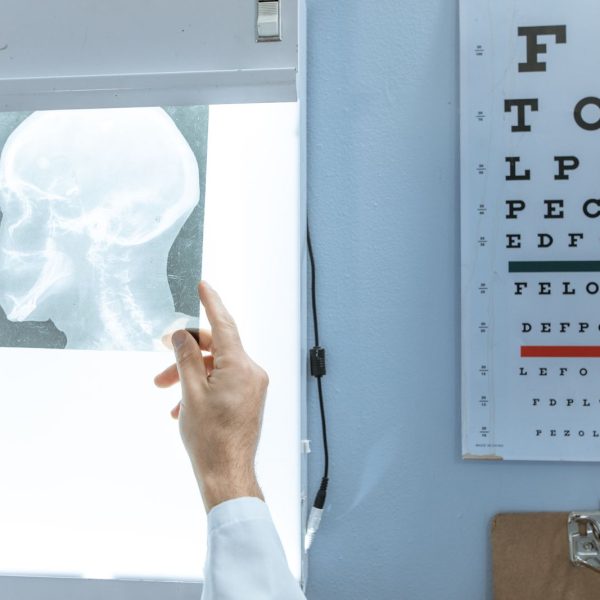
In an era of rapid globalization and diverse patient populations, seamless communication in healthcare is more crucial than ever. Hospitals, clinics, and pharmaceutical companies frequently serve patients and partners who speak a variety of languages. Misunderstandings due to language barriers can lead to errors, misdiagnoses, and compromised care. This is where medical translation-services">translation services play a transformative role, bridging the gap and ensuring that language is never a hurdle in delivering world-class healthcare.
As the healthcare landscape continues to evolve, innovative platforms are emerging to offer holistic solutions in communication—combining translation services, speech data collection, and professional recruitment to address the unique linguistic challenges of the sector. But why is accurate medical translation essential, and how can it empower both providers and patients?
The Importance of Medical Translation Services in Healthcare
Effective communication is fundamental to quality healthcare. From patient intake forms and consent documents to pharmaceutical labeling and clinical trial materials, accurate translations ensure patients can make informed decisions and adhere to treatment plans.
- Patient Safety: Translation errors or misunderstandings can result in serious medical consequences. Clear instructions, accurate diagnosis information, and proper medication guidelines all depend on precise language adaptation.
- Legal and Regulatory Compliance: Healthcare organizations must comply with local and international regulations concerning patient rights and safety. Properly translated clinical documents help institutions stay compliant and avoid costly legal issues.
- Inclusivity: Serving multilingual communities with culturally sensitive and understandable healthcare information promotes inclusion, builds trust, and leads to better health outcomes.
In short, high-quality medical translation services are no longer a luxury—they are a necessity for healthcare providers committed to delivering equitable, reliable care.
Behind many of these services are independent specialists rather than large agencies, and a freelance translator often brings the same specialist medical knowledge to a project while offering greater flexibility on deadlines and scope. Healthcare organizations can therefore match a translator's exact clinical background to the document at hand, rather than settling for a generalist. That direct working relationship also makes it easier to agree terminology in advance and to build shared understanding over repeat assignments. For providers that need reliable, specialist language support without the overhead of a large agency, that model is often the most practical route to accurate care.
Empowering Healthcare Through Technology and Expertise
1. Specialization: The Key to Accurate Medical Translation
The field of medicine is highly specialized, using terminology that often does not have direct equivalents in other languages. That’s why expert medical translators are not only fluent in multiple languages but also possess strong backgrounds in medical science. Their expertise ensures that clinical terminology, diagnoses, treatment protocols, and research findings are communicated accurately and clearly.
Backgrounds of that kind take time to accumulate on both sides. A translator builds a usable medical vocabulary over years of assignments, and an agency builds its roster the same slow way. PoliLingua has been doing this work since November 2002, and most of the established agencies in the field have a similar story behind their sector lists. For a hospital comparing providers, asking how long the relevant specialism has been staffed is a more concrete question than asking about expertise in general.
2. Speech Data Collection: Enhancing Multilingual Communication
Emerging platforms are integrating speech data collection capabilities to support voice-to-voice and voice-to-text translation. This technology is especially valuable in emergency scenarios or remote consultations, where real-time interpretation can make the difference between life and death. By collecting and analyzing diverse speech data, these platforms enable the development and refinement of AI-driven language models tailored for medical contexts.
3. AI and Machine Translation: Supporting the Human Touch
While AI and machine translation tools have made significant strides, their effectiveness in healthcare relies on continuous improvement and human oversight. Automated translation can accelerate the process for standard forms or initial screenings, but complex cases still require skilled human translators to ensure nuance, accuracy, and regulatory compliance.
4. Recruitment for Localization Professionals
As healthcare grows more international in scope, the demand for qualified localization professionals is higher than ever. The new wave of platforms is addressing this need by connecting healthcare organizations with trained linguists, translators, editors, and project managers who specialize in medical communication.
- Faster access to top-tier talent for urgent translation projects
- Scalability for large-scale clinical trials or multinational research
- Consistency and quality control across languages and regions
The Impact of Medical Translation on Public Health
Consider the global response to emerging pandemics, where accurate information must be disseminated quickly across borders and cultures. During the COVID-19 crisis, the ability to rapidly translate safety guidelines, test instructions, and treatment protocols saved lives and curbed the spread of misinformation.
Similarly, in ongoing efforts to tackle chronic diseases in migrant communities, tailored translations of public health campaigns and educational materials have made preventive care more accessible—and more effective.
How Medical Translation Services Empower Stakeholders Across the Healthcare Ecosystem
The benefits of medical translation services extend far beyond patient interactions. Here’s how they support different stakeholders:
Patients
- Receive accurate, understandable information in their native language
- Feel empowered to ask questions and engage with their care plans
- Are more likely to adhere to treatment protocols, improving health outcomes
Healthcare Providers
- Reduce the risk of miscommunication or errors
- Support multicultural staff and diverse patient populations
- Stay compliant with legal and accreditation requirements
Pharmaceutical & Medical Device Companies
- Bring medications and devices to global markets faster
- Ensure regulatory documentation and patient information are accurately localized
- Facilitate more effective global clinical trials
Researchers & Academics
- Collaborate across borders, sharing findings and data without language barriers
- Broaden the reach and impact of critical medical research
Best Practices for Choosing a Medical Translation Services Provider
Selecting the ideal partner for medical translation services can be a game-changer. Here’s what healthcare organizations should look for:
- Industry Expertise: Choose providers with demonstrated experience in medical, pharmaceutical, and scientific translation.
- Quality Assurance Processes: Meticulous review and validation processes help prevent errors and ensure consistency.
- Data Security: Medical records are highly sensitive, so robust data protection protocols are essential.
- Technological Capabilities: Integration with speech recognition, localization management, and AI-powered solutions shows forward-thinking potential.
- Responsive Customer Support: Fast, reliable communication matters—especially in time-critical medical scenarios.
The Future of Healthcare Communication
As healthcare becomes more interconnected and patient populations grow increasingly diverse, the demand for reliable, high-quality medical translation services will only intensify. The next generation of healthcare communication platforms promises a comprehensive approach—integrating translation, speech data collection, localization recruitment, and advanced technologies to foster understanding and trust.
By embracing these innovative solutions, healthcare providers, organizations, and patients alike will be better equipped to overcome language barriers, reduce disparities, and achieve improved health outcomes worldwide. The future of healthcare communication is multilingual, inclusive, and powered by the expertise and empathy of skilled professionals.
Stay tuned as this new platform launches its suite of services, offering a smarter, safer, and more connected healthcare experience for all.